
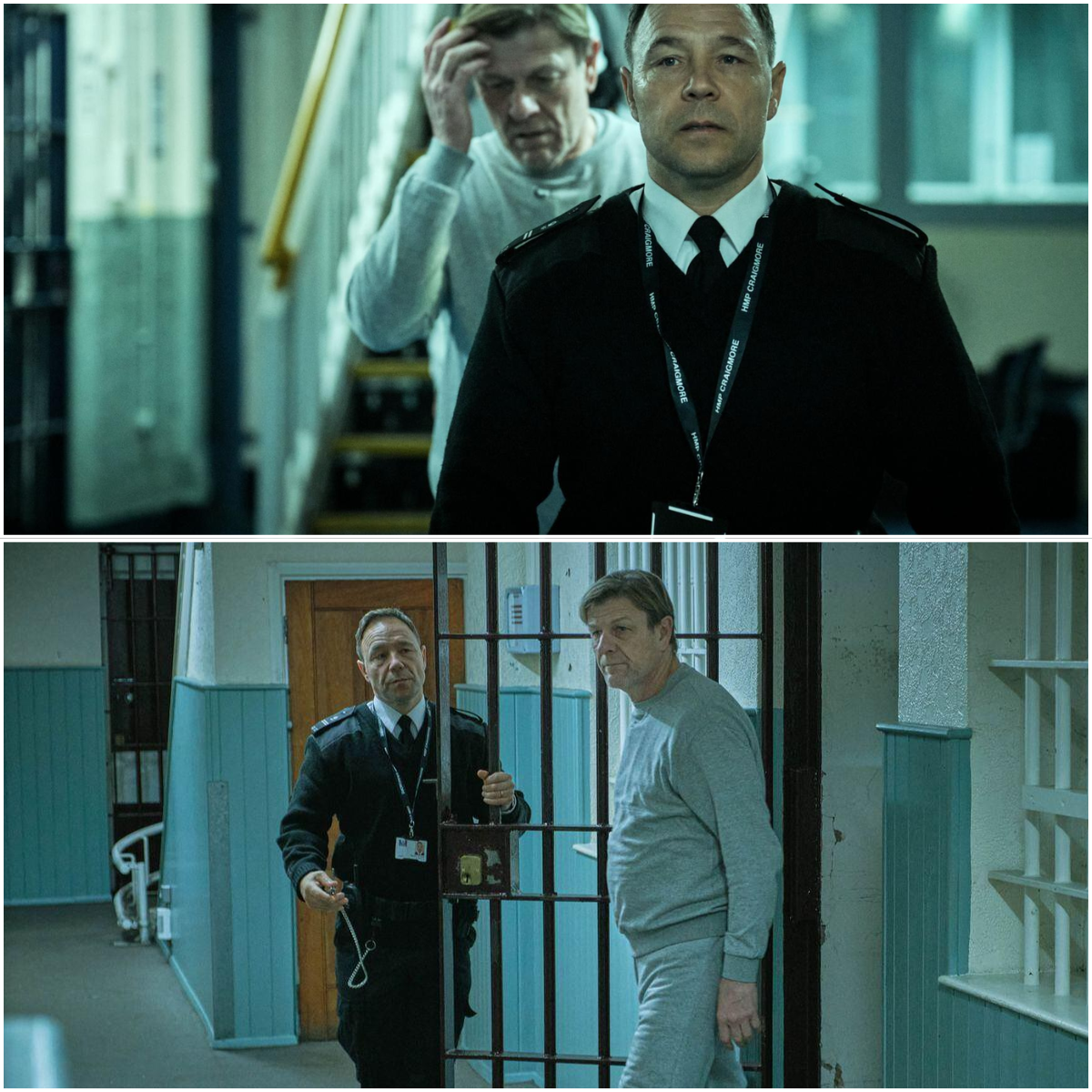

🚨 “I HAD TO PAUSE IT JUST TO RECOVER!” STEPHEN GRAHAM’S LATEST PSYCHOLOGICAL CRIME DRAMA IS LEAVING VIEWERS SHAKEN… 🔥
A viral social media post claiming that award-winning British actor Stephen Graham stars as a “terrifying serial killer inside a high-security prison” in an uncomfortably intense psychological drama has set comment sections abuzz. Decorated with alarmist siren and fire emojis alongside sensational viewer reaction quotes, the caption promises a dark, mind-bending thriller that forces viewers to pause the screen just to catch their breath.
However, an analysis of Stephen Graham’s filmography and verified television production logs reveals that this viral post is a classic example of digital clickbait. While the caption attempts to capitalize on Graham’s well-earned reputation for delivering nerve-shredding, emotionally exhausting performances in British television, it distorts his actual body of work—blending elements of his acclaimed prison drama Time, atmospheric crime thrillers, and speculative project titles like Nocturne to drive traffic toward questionable external links.
Deconstructing the Clickbait Mechanics: Manufactured Hype and Sensationalism
The promotional caption circulating across social feeds relies on well-documented psychological tactics designed to maximize user engagement and bypass critical evaluation:
-
Manufactured Viewer Shock: Using dramatic quotes like “I HAD TO PAUSE IT JUST TO RECOVER!” exploits the public’s curiosity and fear of missing out (FOMO). By framing the drama as an overwhelming emotional challenge, the post entices readers to click in order to test their own emotional limits.
-
Distorting Character Roles: Stephen Graham is celebrated for playing complex, morally conflicted figures—such as prison officer Eric McNally in Jimmy McGovern’s Time, undercover officer John Corbett in Line of Duty, or chef Andy Jones in Boiling Point. The clickbait post reimagines him as a generic “terrifying serial killer inside a high-security prison,” stripping away the nuanced characterization Graham is famous for in favor of cheap slasher-thriller tropes.
-
The “WATCH BELOW” Link Trap: Prompts featuring pointing hand emojis (
👇 WATCH BELOW 👇) direct users to click embedded links. Rather than leading to legitimate streaming platforms like BBC iPlayer, Netflix, or BritBox, these links invariably route traffic through ad-heavy referral domains, data-harvesting surveys, or potentially harmful portals.
The Real Prison Masterpiece: Stephen Graham in BBC’s ‘Time’
To understand why audiences so readily believe claims about Stephen Graham delivering a traumatic, pause-worthy prison performance, one must look at his authentic work in Jimmy McGovern’s 2021 BBC miniseries Time.
In Time, Graham delivered an extraordinary performance not as a serial killer, but as Eric McNally, a veteran, highly principled prison officer working in a high-security British penitentiary. McNally is dedicated to maintaining order and protecting inmates, but his life is shattered when a ruthless inmate gang threatens his son, who is serving a sentence in a separate facility.
Pushed into an impossible moral corner, McNally is forced to choose between his professional integrity and his child’s safety. Smuggling contraband into the facility to protect his family initiates a devastating psychological downward spiral. Starring alongside Sean Bean—who plays Mark Cobden, a teacher consumed by guilt over a fatal drunk-driving accident—Graham portrays the soul-crushing weight of institutional pressure and personal corruption with agonizing authenticity.
Unlike stylized serial-killer fictions, Time achieved its unbearable tension through quiet, grounded human tragedy, earning widespread critical acclaim, multiple BAFTA awards, and cementing Graham’s status as a master of high-stakes television.
Exploring ‘Nocturne’ and Stephen Graham’s Mastery of Claustrophobic Dread
The association of Stephen Graham with dark, atmospheric titles like Nocturne speaks to the actor’s unique ability to command claustrophobic, high-stakes narratives. Whether navigating the real-time kitchen collapse of Boiling Point, the mind-bending temporal mystery of Netflix’s Bodies, or the intense real-world political extremism of The Walk-In, Graham consistently selects roles that explore human psychology under extreme duress.
Psychological crime thrillers that evoke visceral viewer reactions often rely on three key narrative pillars:
-
Atmospheric Claustrophobia: Confining characters to isolated environments—such as prison blocks, locked kitchens, or interrogation rooms—amplifies narrative tension and leaves audiences feeling trapped alongside the protagonists.
-
Moral Ambiguity: Rather than presenting simple caricatures of good versus evil, Graham’s finest work explores how ordinary, well-meaning individuals can be corrupted by systemic flaws or overwhelming fear.
-
Real-Time Psychological Pressure: Directing techniques that emphasize continuous takes or relentless pacing force viewers to experience the protagonist’s anxiety in real time, explaining why legitimate Graham projects frequently leave audiences breathless.
How to Safely Watch Stephen Graham’s Real Performance Catalog
For fans seeking to experience Stephen Graham’s actual, critically acclaimed crime and prison dramas, navigating away from sensationalized social media traps is essential.
Graham’s most celebrated work is readily available on major, legal streaming services:
-
Time (Season 1): Available on BBC iPlayer in the UK and BritBox internationally, offering a realistic, heartbreaking look at prison life and moral compromise.
-
Bodies: Streaming globally on Netflix, featuring Graham in a complex, multi-era mystery role spanning decades.
-
Boiling Point: Available on major video-on-demand platforms, providing a masterclass in relentless real-time suspense.
-
Help & The Walk-In: High-impact social dramas available on Channel 4 and ITVX respectively, highlighting Graham’s incredible emotional range.
Entertainment consumers should always ignore “WATCH BELOW” links embedded in anonymous social media posts. Checking verified industry publications like Deadline, Variety, or The Hollywood Reporter remains the best way to verify new project announcements and authentic casting news.