
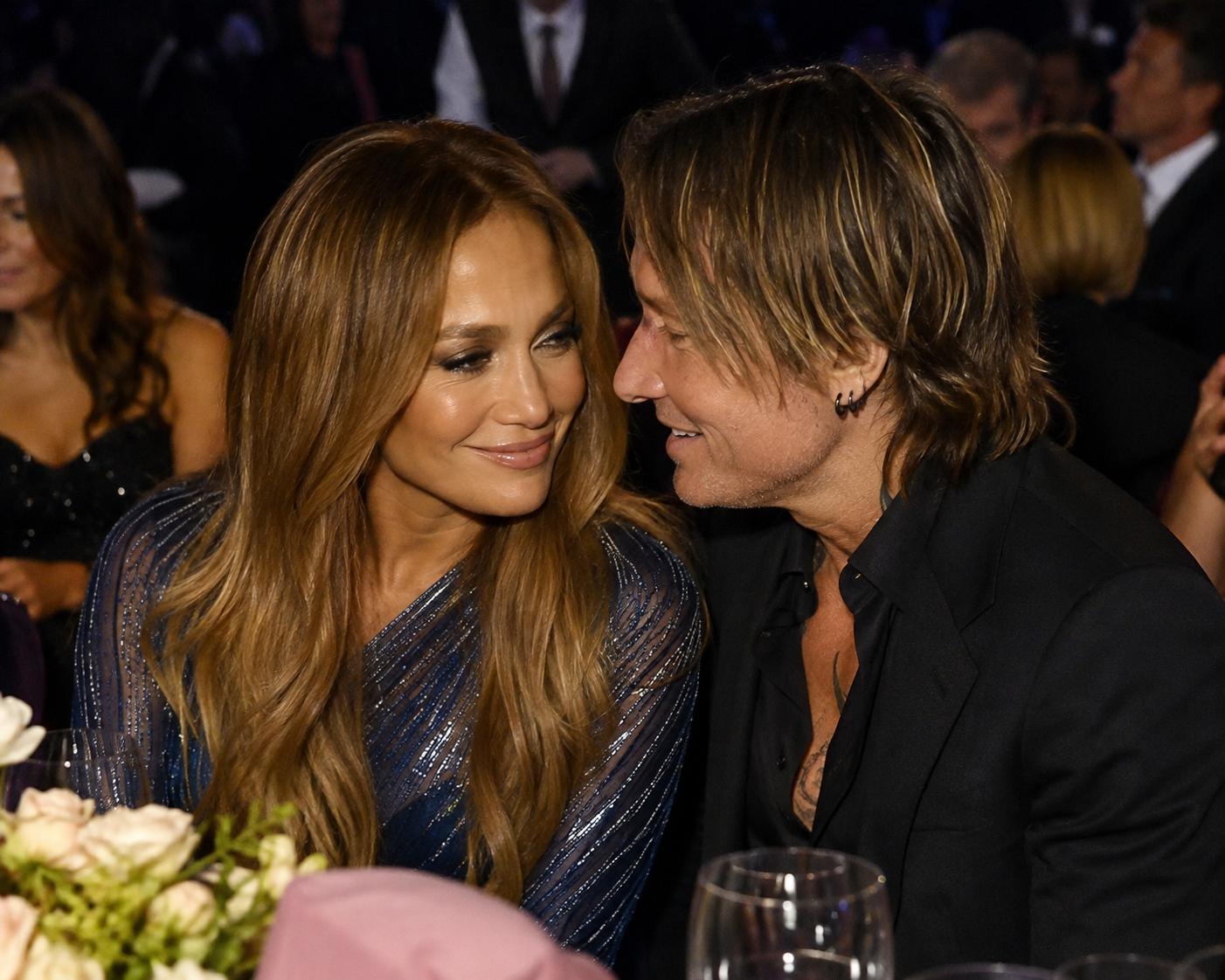
In the contemporary digital entertainment ecosystem, stories surrounding high-profile celebrity relationships, sudden marital shifts, and alleged secret romances generate vast amounts of internet traffic and social media interaction. Global superstars like Jennifer Lopez and Keith Urban, both prominent figures with decades of public visibility, frequently find themselves at the center of speculative headlines. Within tabloid blogs, entertainment forums, and algorithmic recommendation feeds, dramatic reports routinely emerge asserting that an undisclosed relationship between two major icons has become an “open secret” within their professional and personal circles.
Phrases asserting that an alleged romance is “no secret in their circle” while pointing toward a mysterious “one major obstacle holding them back” rely on specific structural storytelling techniques engineered to drive emotional engagement and click-through rates. Analyzing these viral reporting patterns requires an objective examination of how tabloid media constructs celebrity narratives, the economic infrastructure supporting clickbait publishing, the realities of professional collaborations in the entertainment industry, and the critical media literacy framework necessary to distinguish verified public statements from engagement-driven speculation.
THE ARCHITECTURE OF “ALLEGED ROMANCE” NARRATIVES IN TABLOID MEDIA
Engagement-driven entertainment media operates primarily by transforming routine professional interactions, public appearances, or co-hosting events into dramatic, high-stakes personal narratives. Articles built around secret celebrity connections depend on well-established editorial strategies designed to capture reader attention and encourage social sharing.
-
The “Open Secret” Trope: Claiming that a relationship is widely known among “insiders,” “close associates,” or “production crews” creates a sense of exclusive access. This framing suggests that while the public remains uninformed, industry insiders are privy to hidden truths, appealing directly to audience curiosity regarding off-camera celebrity dynamics.
-
The Artificial Barrier Mechanism: Introducing an ambiguous “problem” or “obstacle” that prevents a relationship from becoming official provides a convenient narrative device. This element explains away the complete lack of physical evidence or public confirmation, attributing the absence of official announcements to an ongoing internal dilemma rather than the nonexistence of the romance itself.
-
The Cliffhanger Information Gap: A core characteristic of tabloid storytelling is terminating key narrative hooks immediately before revealing the core resolution (“admitting that…”). This deliberate syntax creates cognitive suspense, compelling readers to click external links, navigate ad-dense web pages, or debate potential outcomes in online comment sections.
PROFESSIONAL COLLABORATIONS VS. TABLOID HYPERBOLE
To evaluate the validity of sensationalized claims involving public figures like Jennifer Lopez and Keith Urban, it is important to analyze how standard professional relationships are routinely reframed by engagement-focused media outlets.
-
Shared Industry Circles and Collaborative History: Major figures in the music and television industries frequently cross paths through award shows, high-profile charitable events, television tapings, and joint production projects. When artists demonstrate professional warmth, mutual respect, or stage chemistry, tabloid outlets frequently reframe these standard professional interactions as evidence of covert romantic involvement.
-
The Role of Anonymously Sourced Claims: Articles alleging private romantic connections often rely heavily on vague attributions, such as “sources close to the stars,” “unnamed production insiders,” or “close associates.” In legitimate entertainment journalism, significant personal developments—such as relationships, engagements, or separations—are verified through authorized publicists, official statements, or direct quotes from the individuals involved.
-
The Impact of Personal Milestones: High-profile public figures going through career transitions or changes in their personal lives are particularly susceptible to speculation. Tabloid algorithms capitalise on periods of heightened public interest around specific celebrities by generating high volumes of speculative content to capture searching audiences.
THE ECONOMIC ENGINE OF DIGITAL ENGAGEMENT FARMING
The constant circulation of dramatic romance claims and speculative insider reports is directly linked to the commercial incentives governing programmatic advertising and digital content distribution networks.
-
Algorithmic Velocity and Audience Interaction: Major social media platforms utilize algorithms that prioritize content based on interaction velocity—the speed at which users comment, share, and react to a post. Allegations involving famous figures evoke strong reactions, prompting fans and critics alike to leave comments expressing disbelief, support, or skepticism. Platform algorithms interpret this influx of engagement as a high-demand signal, expanding the post’s reach across global user feeds.
-
Traffic Arbitrage and Page Monetization: Digital content creators utilize compelling social media hooks as entry points in traffic arbitrage strategies. Users who click through expecting to discover the hidden “obstacle” holding two stars back are directed to external landing pages containing heavy concentrations of programmatic banner ads, video overlays, and sponsored content widgets. Publishers monetize the volume of ad impressions generated by visitors searching for the promised resolution.
-
Comment-Based Link Placement: To avoid algorithmic penalties imposed by social platforms on primary posts containing outbound links, creators frequently publish dramatic text hooks independently while placing destination links within comment threads, pinned replies, or profile biographies.
CRITICAL MEDIA LITERACY: EVALUATING CELEBRITY AND ENTERTAINMENT CLAIMS
Navigating digital feeds filled with breaking rumors, alleged insider leaks, and dramatic relationship updates requires applying a structured evaluation framework to separate verified entertainment news from digital engagement farming.
-
Cross-Reference with Verified Media Outlets: Legitimate coverage concerning major entertainment figures is reported by established journalism organizations, verified trade publications, or official management statements. Unverified claims originating exclusively from tabloid blogs, clickbait sites, or newly established social media accounts should be approached with significant skepticism.
-
Analyze Source Transparency and Language: Exercise caution when encountering articles that rely entirely on unnamed insiders, ambiguous sources, or sensationalized capitalization and emergency formatting. Credible journalism provides clear sourcing and maintains an objective, neutral tone.
-
Recognize Recycled Narrative Formats: Understand that many tabloid narratives use standardized templates where celebrity names are swapped interchangeably to match current search trends. Recognizing these repetitive structural patterns helps readers identify content designed purely for click generation.
Sensationalized claims regarding open secrets, secret romances, and hidden obstacles illustrate how public fascination with high-profile cultural icons is frequently monetized through engagement-driven digital media models. By understanding the structural mechanics of tabloid storytelling, recognizing the commercial drivers behind programmatic publishing, and cross-referencing dramatic claims with official management channels, media consumers can maintain an informed, objective, and analytical perspective when navigating online entertainment news.