
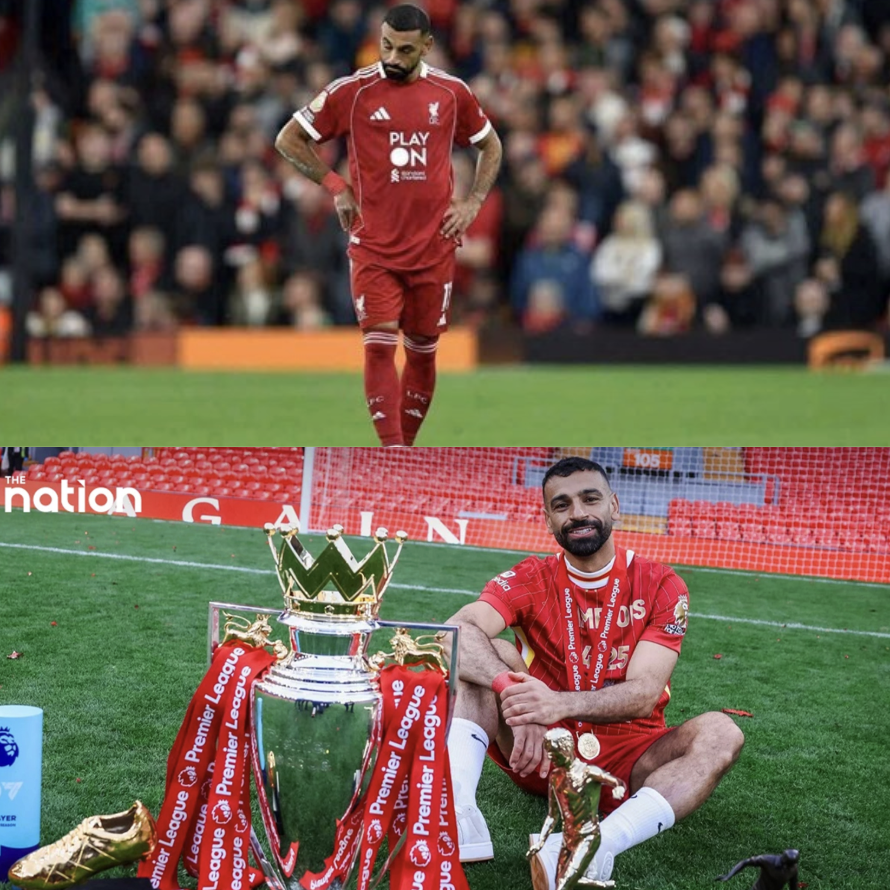
Behind the 211 goals, three Golden Boots, and a historic Champions League trophy lies a cutthroat “war” in the boardroom. It was a battle of ideologies where, if Liverpool’s greatest minds hadn’t fought until the bitter end, the “Egyptian King” might have remained nothing more than a tragic memory of a Chelsea “flop.”
Chapter 1: The Ghost of Stamford Bridge
In the summer of 2017, Liverpool FC stood at a crossroads. Jurgen Klopp, two years into his reign at Anfield, knew he needed a heavyweight “cannon” on the wing to complete a blistering attacking trident alongside Sadio Mané and Roberto Firmino.
The name Mohamed Salah appeared on the transfer table like a high-stakes gamble. To much of the British public at the time, Salah was a “failure.” The memory of a skinny, displaced youngster under Jose Mourinho at Chelsea was still too vivid. The skeptics asked: Why would Liverpool spend a then-club record £34 million on a player who had already been “chewed up and spat out” by the Premier League?
But inside the AXA Training Centre, a massive collision of philosophies was taking place. On one side was the “gut instinct” of world-class coaches, and on the other was the cold, unyielding logic of data.
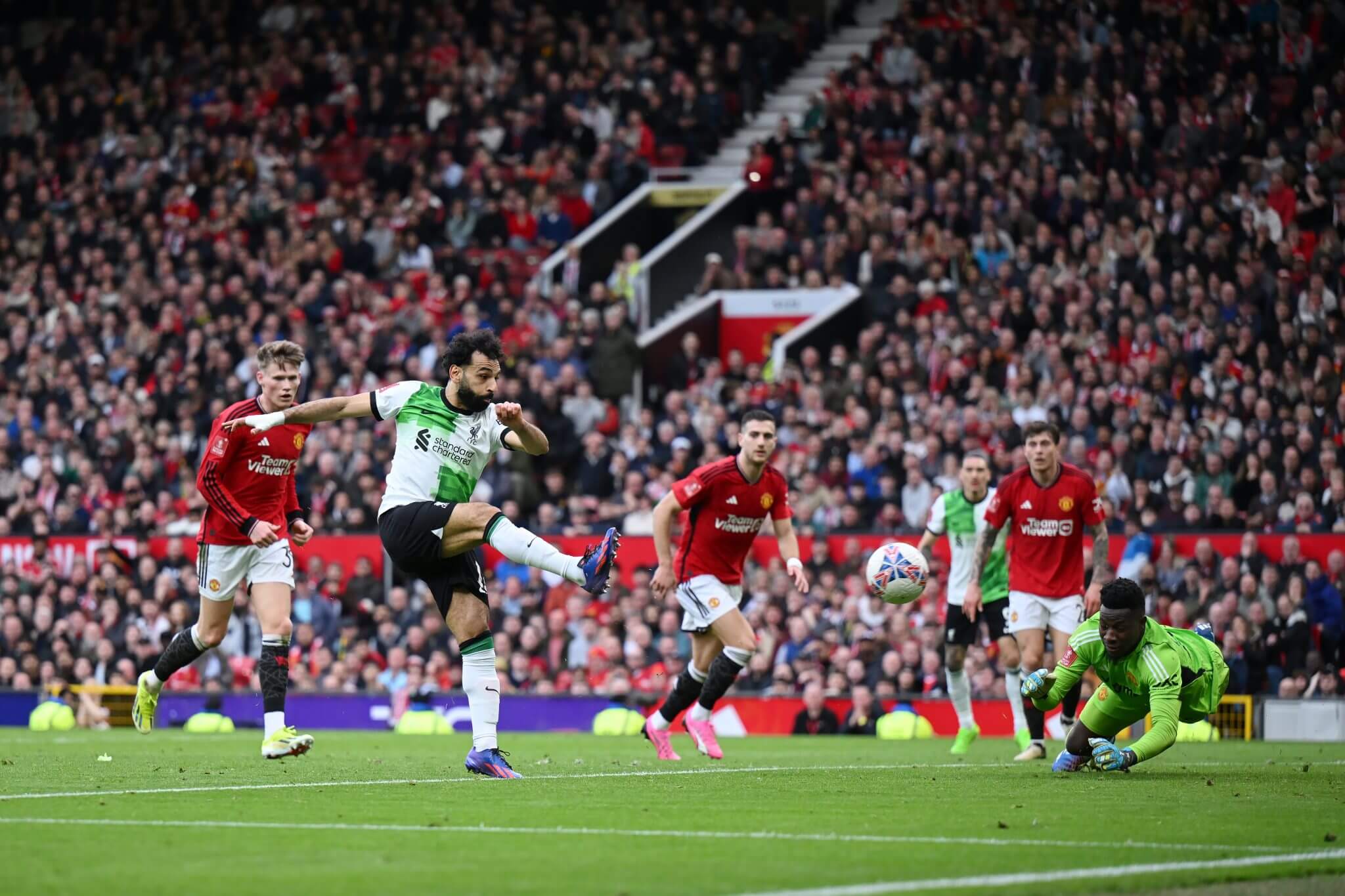
Chapter 2: “I Made A Fight” — The Voice of the Numbers
The central protagonist of this story isn’t Jurgen Klopp, but Ian Graham—Liverpool’s former Director of Research. In his recent revelations and his new book, Graham uses a heavy, deliberate phrase: “I made a fight” to describe the Salah deal.
Why was a fight necessary? Because at that moment, Mohamed Salah was not Jurgen Klopp’s first choice. The German manager, fueled by his trademark energy and his faith in Bundesliga talent, had his sights set on someone else: Julian Brandt of Bayer Leverkusen.
Klopp believed Brandt, with his German technical efficiency and youth, would seamlessly slot into the Gegenpressing system. Meanwhile, Klopp’s coaching staff and scouts remained haunted by Salah’s finishing at Chelsea. They feared his pace was “all speed and no substance”—a recipe for disaster in the relentless environment of the English top flight.
However, Ian Graham and Michael Edwards (the Sporting Director at the time) saw what the naked eye could not. Data from AS Roma suggested Salah wasn’t just fast; he was a “monster” of positioning and chance creation. Salah’s Expected Goals (xG) metrics were sky-high, far surpassing any other target on the market.
Chapter 3: When the “Data Geek” Beat the Coaching Giant
The confrontation between Ian Graham’s team and Jurgen Klopp wasn’t just about picking a player; it was a battle to define Liverpool’s future. Graham recounts having to lobby Klopp for weeks.
“The data showed Salah was a world-class player who was undervalued simply because of a short, unsuccessful spell at Chelsea,” Graham insisted. He produced charts proving that Salah at Roma was the most consistent attacking force in Europe.
Fortunately for Liverpool, Jurgen Klopp was not a conservative manager. He was a listener. After several intense discussions, Klopp agreed to drop his pursuit of Julian Brandt and put his full faith in the Egyptian. It was the moment football history shifted.
If Graham hadn’t fought to the end, if Michael Edwards hadn’t stood firm with the data model, Liverpool likely would have signed Brandt (whose career later stagnated at Dortmund) instead of the man who would become a global icon.
Chapter 4: The “Victims” of the Boardroom War
Looking back at that summer, we see a long list of names that almost wore the Red shirt instead of Salah. Beyond Julian Brandt, Liverpool seriously considered Christian Pulisic (then at Dortmund) and Julian Draxler.
Imagine a reality where Pulisic or Brandt led the Liverpool attack. Would they have scored 32 goals in their debut season? Would they have maintained elite fitness for seven consecutive years without a major injury? The answer is almost certainly no.
Ian Graham’s stubbornness didn’t just bring in a player; it brought in an insurance policy for success. It proved that in the modern era, the most successful “signings” often happen in the shadows of a spreadsheet before they ever step onto the pitch.
Chapter 5: The Legacy of the Fight
Today, Mohamed Salah stands as Liverpool’s third all-time leading goalscorer. But every time he cuts inside and curls a ball into the top corner, the ghost of that 2017 “fight” lingers.
Ian Graham’s admission—“I made a fight”—serves as a chilling reminder of how fragile success is. One less argument, one more compromise, or a slightly more stubborn manager, and the “Egyptian King” would never have been crowned.
The deal wasn’t just won on the grass of the Stadio Olimpico or the bank accounts of FSG; it was won in a windowless room in Melwood, where a group of analysts refused to let an “iconic manager” make the biggest mistake of his career.