

A convicted murderer may be serving a life sentence behind bars, but a fresh wave of controversy has erupted after his grandmother publicly defended both her grandson and other members of the family accused of playing roles in the aftermath of the crime.
The remarks, which surfaced in recent interviews and online discussions, have triggered widespread outrage, reigniting public anger over the killing of student Henry Nowak and raising difficult questions about family loyalty, accountability, and whether those closest to a criminal can ever truly acknowledge the devastation caused by their actions.

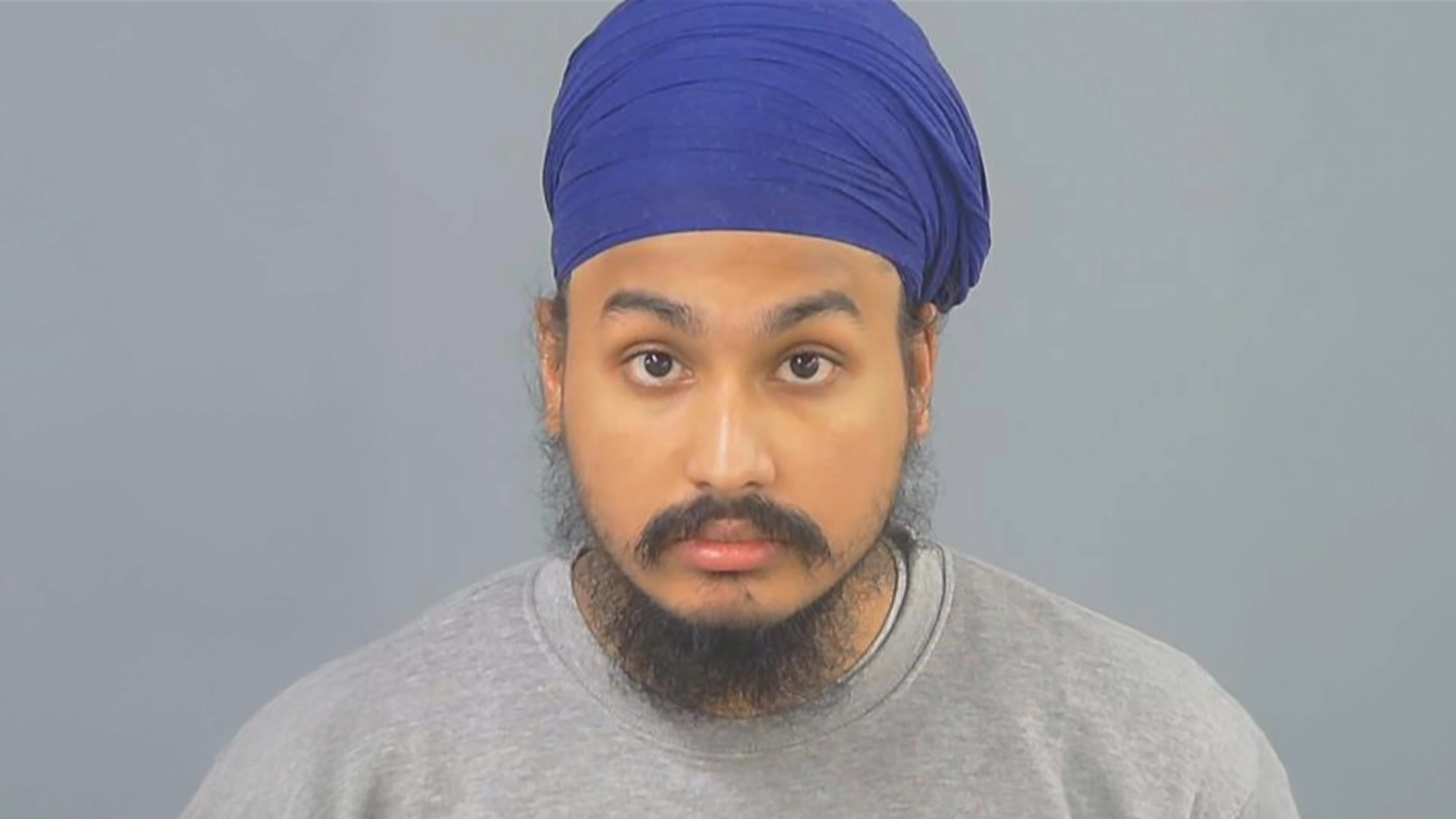
At the center of the storm is Vickrum Digwa, who was sentenced to life imprisonment for the murder of Nowak, a case that shocked communities and attracted national attention. While the legal proceedings may have concluded, emotions surrounding the case remain raw, particularly among those who believe justice extends beyond the individual who committed the crime.
The latest backlash began when Digwa’s grandmother publicly stood by her family despite the conviction. Most controversially, she defended Digwa’s mother, who has faced accusations of helping remove or conceal the murder weapon following the killing.
For many observers, the comments crossed a line.
Across social media platforms, thousands of users expressed disbelief and anger, accusing the family of refusing to confront the full reality of what happened. Critics argued that the grandmother’s statements appeared to prioritize protecting relatives over acknowledging the suffering endured by Henry Nowak’s family.
“How can anyone still be defending them after everything that has come out?” one commenter wrote in a post that quickly gained traction online.
Another user questioned whether the family had shown genuine remorse, saying that the latest remarks gave the impression that they were more concerned with their own reputation than with the victim’s memory.
The intensity of the reaction reflects the deep emotional scars left by the case. For many people following the story, the murder was not simply another criminal proceeding but a tragedy involving a young life cut short under horrifying circumstances.
As a result, any suggestion that family members should be viewed sympathetically has proven deeply divisive.
Supporters of the grandmother, however, argue that her comments have been interpreted unfairly. They point out that relatives of convicted criminals often face enormous public scrutiny and may struggle to reconcile their love for family members with the reality of their crimes.
Some legal experts and psychologists note that family loyalty can persist even when evidence is overwhelming. Parents, grandparents, and siblings may find it emotionally impossible to completely abandon a loved one, regardless of the severity of the offense.
Yet critics insist that understanding those emotional bonds does not excuse attempts to minimize wrongdoing or shift attention away from the victim.
The debate intensified further because of allegations surrounding Digwa’s mother. While public attention initially focused almost entirely on the convicted killer, accusations that another family member may have assisted in removing evidence have fueled broader questions about who knew what and when.
Many online commentators argue that if any individual helped conceal crucial evidence connected to the murder, they bear moral responsibility regardless of whether they physically committed the crime.
“It wasn’t just one person’s actions that devastated a family,” wrote another social media user. “Anyone who helped afterward made the situation worse.”
Others have gone even further, suggesting that the grandmother’s public defense reveals a broader refusal within the family to accept accountability.
Those claims remain fiercely disputed by individuals who believe the family has become a target of relentless public condemnation.
The controversy highlights a recurring dilemma in high-profile criminal cases: where should society draw the line between supporting a relative and excusing criminal behavior?
For some, standing by a family member during imprisonment is an act of compassion. For others, public defenses risk appearing insensitive to victims and their loved ones, particularly when questions remain about the conduct of additional relatives.
The divide has become especially visible online, where discussions about the case have generated millions of views and countless heated exchanges.
Many users have voiced sympathy for Henry Nowak’s family, arguing that renewed attention on the convicted killer’s relatives risks overshadowing the life that was lost.
“People keep talking about the offender and his family,” one post read. “What about Henry? What about the people who have to live every day without him?”
That sentiment has resonated widely among those who believe the focus should remain on the victim rather than on efforts to rehabilitate the public image of individuals connected to the crime.
Meanwhile, others warn against turning family members into permanent villains based solely on their relationship to a convicted murderer.
They argue that while criminal responsibility belongs to the offender, relatives often experience their own form of tragedy as they grapple with the consequences of a loved one’s actions.
Even so, the grandmother’s remarks have continued to fuel controversy, with critics maintaining that her comments failed to acknowledge the full gravity of the murder and the pain inflicted on those left behind.
As public debate continues, one thing remains clear: the wounds caused by Henry Nowak’s death have not healed.
Years after the crime, emotions remain intense, and any attempt to revisit the case inevitably reopens difficult questions about guilt, responsibility, forgiveness, and justice.
For millions following the story, the latest controversy is about far more than one grandmother’s defense of her family. It has become a broader conversation about whether loyalty should have limits when confronted with a crime of such devastating consequences.
And as reactions continue to pour in from across the country and beyond, the question at the heart of the uproar remains the same:
When a murderer is convicted, how far should a family go in standing by their own—and at what point does loyalty become something else entirely?