
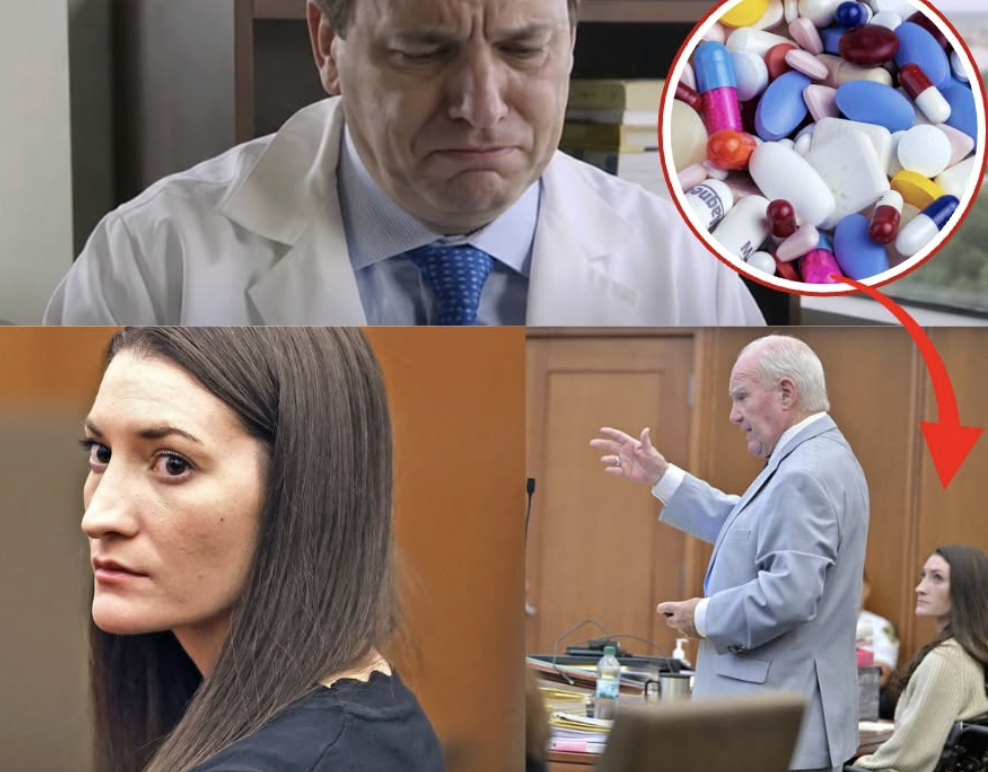
Newly discussed clinical records are bringing renewed attention to Lindsay Clancy’s treatment in the months before the tragedy. As Plymouth Superior Court proceedings move forward, the detailed clinical notes and psychiatric evaluations filed by medical specialists have become the central focal point of the trial. These documents provide an intricate timeline of her mental health care during the critical weeks leading up to the event.
The court records document a comprehensive paper trail detailing multiple medical consultations, rapid medication adjustments, and voluntary admissions. Legal and medical experts evaluating the case have spent extensive hours analyzing these clinical entries to understand the severe psychological strain Lindsay was experiencing behind closed doors.
According to the reported documents, her psychiatrist had expressed concerns about changes in her mental state while she was undergoing extensive psychiatric treatment. The treatment logs confirm that over a relatively short timeframe, Lindsay was prescribed a complex combination of heavy psychotropic medications, including anti-anxiety agents, mood stabilizers, and sleep aids. Defense attorneys argue that this rapid trial and substitution of medications created an unstable chemical environment that exacerbated her anxiety and led to a profound psychological breakdown.
Conversely, prosecutors have examined the same medical notes to highlight moments where evaluations indicated Lindsay appeared lucid and engaged. State attorneys point to documented sessions where clinicians noted she denied active suicidal ideation or homicidal intent shortly before the incident, using these records to argue that her capacity for rational thought remained intact during key decision-making windows.
The records paint a troubling picture of someone experiencing a severe psychological crisis, raising questions about what her doctors and family understood at the time. Family members and medical professionals had observed escalating signs of postpartum depression, severe insomnia, and acute anxiety, leading to emergency consultations at specialized mental health facilities.
The central legal debate now hinges on whether these clinical records demonstrate an unmanageable psychotic breakdown or an ongoing mental illness that did not legally erase criminal accountability. Legal analysts note that the interpretation of these medical logs will play a pivotal role when the jury evaluates the defense’s insanity claim versus the prosecution’s assertions of premeditation.
But the most unsettling detail reportedly came from her final emergency evaluation, when the psychiatrist recorded the last words Lindsay allegedly said… As clinicians reviewed her discharge status, her final remarks reflected a deep-seated fear regarding her inability to sleep and manage her racing thoughts, a symptom that doctors now recognize as a major indicator of severe psychiatric distress. The court is expected to hear further expert medical testimony in the coming days as both sides present their final interpretations of these unsealed records.