
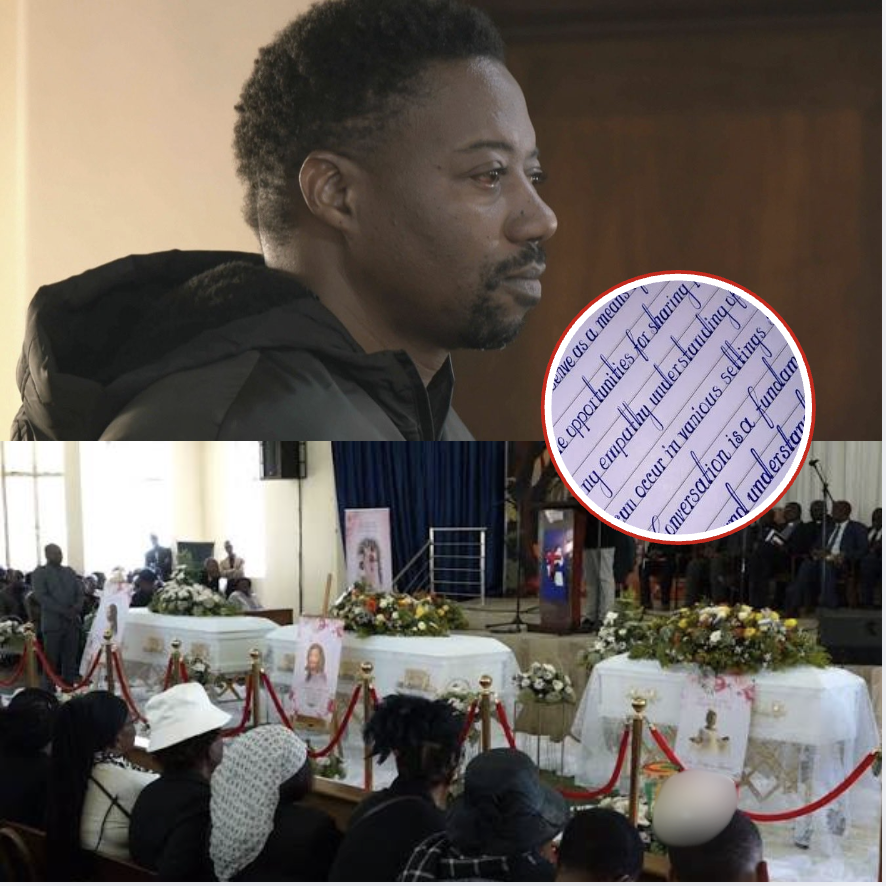
Sensational social media stories alleging that investigators recovered a “secret letter” written by a teenage daughter named Natalie in the Ndodana Mkhanyisi Tshuma case are entirely fabricated. Official court dockets, law enforcement disclosures, and trial filings contain no record of such a letter, diary entry, or written correspondence being introduced as evidence.
Separating Online Fiction From Formal Evidence
Viral posts claiming that a dramatic letter was revealed to “silence the court” represent a common engagement-farming formula used by speculative online channels. These narratives invent cliffhangers and dramatic personal details to lure readers into clicking.
In actual criminal proceedings, strict evidentiary rules govern how written materials are handled:
-
Authentication and Chain of Custody: Before any document can be admitted into evidence, its authenticity must be verified through forensic examination, expert analysis, or sworn witness testimony.
-
Pre-Trial Discovery Rules: Prosecutors are legally required to disclose all physical evidence—including any handwritten notes or letters—to defense counsel well in advance of court proceedings. Unannounced “surprise letters” presented in open court do not happen in formal judicial trials.
-
Protection of Minors: Any official statements or documentation involving minor family members are subject to strict protective orders to preserve privacy and prevent public dissemination.
Current Status of the Legal Proceedings
Ndodana Mkhanyisi Tshuma remains in legal custody while the court evaluates formal pre-trial filings. The prosecution’s case relies on verified physical evidence, digital communications, site records, and forensic reports rather than unverified rumors circulating on social media platforms.
The legal proceedings continue to focus on standard pre-trial procedures:
-
Forensic and Digital Review: Processing and evaluating electronic devices, location data, and forensic crime scene evidence.
-
Custodial Statements: Reviewing the legal admissibility of statements made while under medical supervision or in custody.
-
Procedural Motions: Setting deadlines for expert disclosures, evidence suppression hearings, and trial scheduling.
Legal observers and the public are advised to rely strictly on unsealed court filings, formal press releases from prosecutors, and official judicial statements rather than speculative social media headlines.