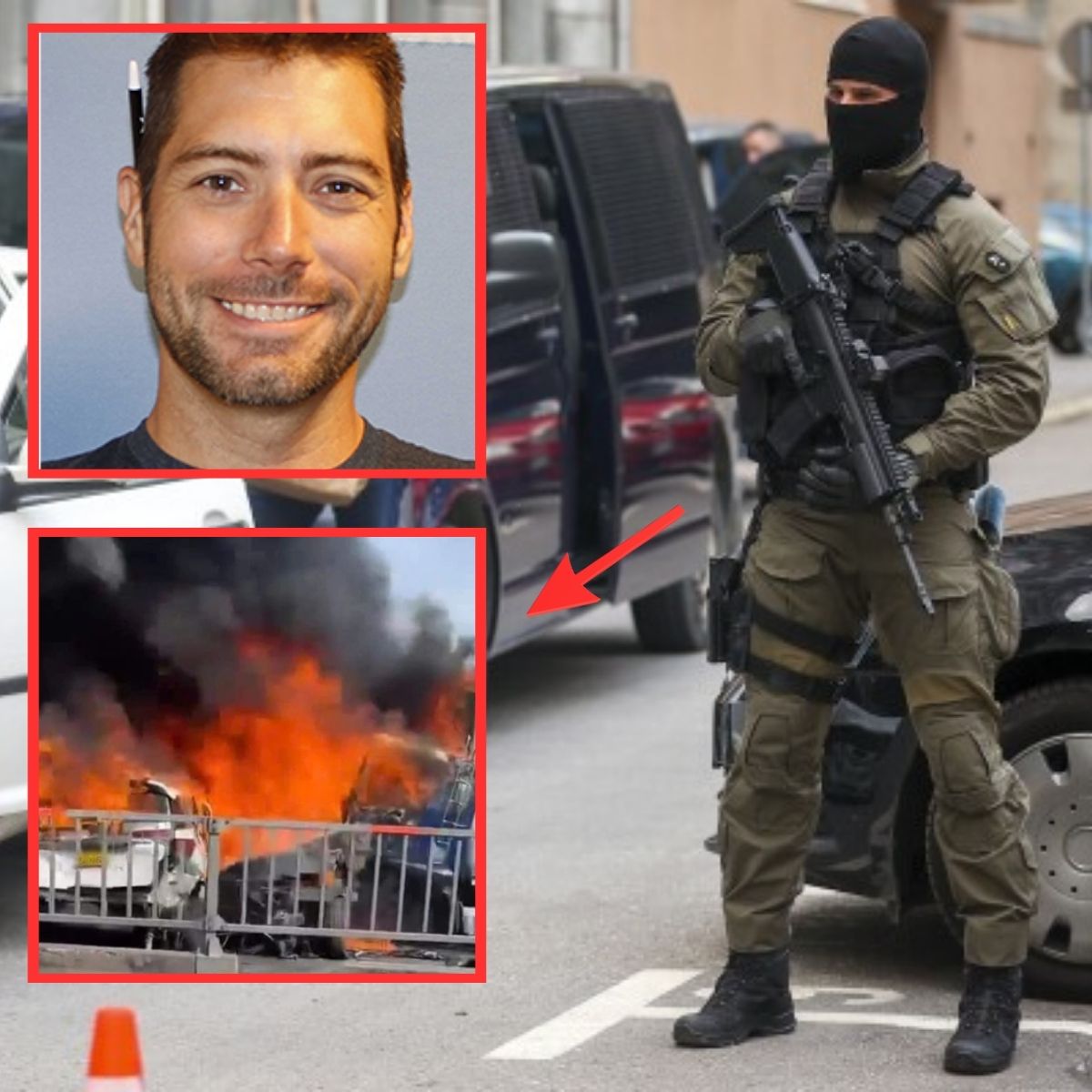
In the darkness of the early morning on May 2nd, downtown Portland narrowly escaped becoming the epicenter of one of the most devastating massacres in Oregon’s modern history. What was initially reported as a burning car accident at the Multnomah Athletic Club (MAC) quickly unmasked itself as a calculated suicide bombing plot. But more terrifying than the bombs themselves is the truth behind the suspect: a 49-year-old man named Bruce Whitman, whose “menacing delusions” had been reported by neighbors and coworkers for years—only to be met with systemic silence.
The “Ticking Time Bomb” in the Community
Bruce Whitman was no stranger to law enforcement. Court records reveal that as early as 2022, those around him lived in absolute terror. One neighbor reported that Whitman had threatened to kill them; a MAC club member was directly targeted with death threats; and most chillingly, he had publicly declared his intent to “burn the MAC club to the ground.”
Former colleagues described Whitman as an individual besieged by delusions of persecution. He harbored a deep-seated belief that he was the victim of a grand conspiracy, and the MAC Club—his former place of employment—was the root of all his suffering. One former coworker shared: “He wasn’t just someone struggling with mental health; he was a burning fuse. We reported it, we feared it, but there seemed to be no legal barrier strong enough to stop him.”
A “False Peace” and a Deadly Plan
Whitman’s mother, in a state of profound grief, shared that she mistakenly believed her son was recovering. In his final weeks, Whitman appeared calm, followed a routine, and ceased his usual outbursts of rage. However, criminal psychologists identify this as a state of “the calm before the storm.” When a delusional individual finds a “purpose” in committing a crime, they often become eerily focused and tranquil.
Whitman was not acting in a blind frenzy. A search of the scene and his residence uncovered a sophisticated arsenal. The SUV he rammed into the MAC club windows was packed with 20 propane tanks, approximately 10 improvised explosive devices (pipe bombs), and a significant amount of industrial-grade explosive powder. In total, over 30 pounds of explosive material were crammed into the vehicle. His objective was clear: transform the car into a massive bomb to level the club’s main lobby just as early-shift staff began their day.
The Thin Line Between Life and Death
James Crooker, a representative for the Portland Police Bureau (PPB), noted that the city avoided a catastrophic tragedy solely due to “pure luck.” Only about 5 pounds of the explosive material actually detonated. Had the full array of propane tanks and pipe bombs ignited as Whitman planned, the blast force would have been five times greater—enough to cause mass casualties for the staff inside and unsuspecting citizens nearby.
One firefighter recalled the horrifying moment he opened the burning vehicle to extinguish the flames: “A partially detonated pipe bomb fell right at my feet. That was the moment we realized this was no ordinary accident.”
A Costly Lesson in Apathy
The incident at the MAC club leaves a haunting question for society: Why was a man with a severe history of mental instability, who had been ordered to surrender his firearms in 2022 and was repeatedly reported for menacing delusions, allowed to freely manufacture dozens of bombs over several weeks without detection?
The community surrounding Whitman did their part—they reported him. But the surveillance and intervention systems seemingly failed to connect the scattered pieces of the puzzle to prevent a predictable tragedy.
Bruce Whitman’s death in the wreckage of his own making has closed the case on the perpetrator, but the shadow of “menacing delusions” remains. Portland was lucky once, but if we continue to ignore the alarm bells rung by neighbors and coworkers, will luck smile upon us a second time?
This case is about more than just an explosion; it is about a breakdown in community trust in the law’s ability to protect them from unstable individuals. The MAC Club is being repaired, but the psychological scars of the employees who nearly lost their lives that morning will endure forever.