
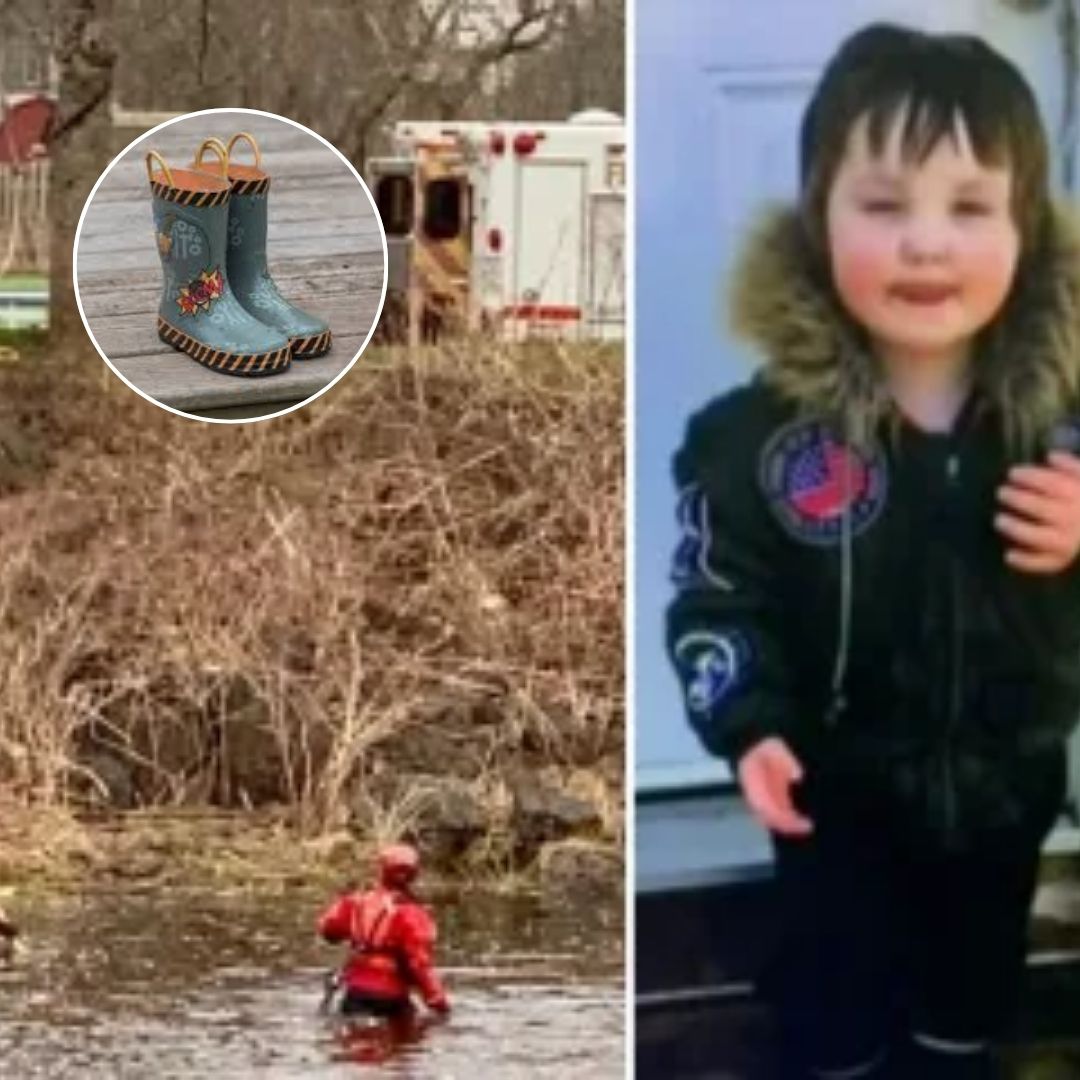
 Six Years On: Renewed Attention on the Case of Dylan Ehler Prompts Fresh Questions—But Few Confirmed Answers


Six years after the disappearance of three-year-old Dylan Ehler in Truro, Nova Scotia, the case has once again captured national attention following a wave of online claims suggesting new forensic revelations.
While these posts have generated intense discussion, authorities have not confirmed many of the specific details being widely shared, including claims about autopsy findings, staged evidence, or alternate locations.
A Case That Never Left Public Memory
Dylan Ehler was reported missing in May 2020, prompting a large-scale search effort involving police, volunteers, and specialized rescue teams.
Despite extensive operations at the time:
- No definitive conclusion was reached
- The case remained open
- Periodic reviews of evidence continued
Over the years, the case has remained a deeply emotional and unresolved chapter for the community.
New Claims Circulating Online


Recent posts have suggested the existence of:
- A specific forensic finding related to materials on clothing
- A discrepancy in the timeline of events
- Digital evidence pointing to a secondary location
However, at this stage:
- No official report containing these details has been publicly released
- Authorities have not confirmed the existence of such findings
- The claims remain unverified
Experts caution that forensic interpretations are complex and can be easily misunderstood or misrepresented when taken out of context.
Understanding Forensic Evidence


In cases involving environmental recovery, investigators often analyze:
- Soil and mineral traces
- Water exposure indicators
- Clothing condition and degradation
These findings must be carefully interpreted alongside other evidence. A single element—such as a material found on clothing—does not automatically confirm a specific sequence of events without corroboration.
Timeline Questions: Common in Complex Cases


Timeline discrepancies are not uncommon in long-running investigations.
They can arise from:
- Incomplete initial information
- Evolving witness accounts
- Newly discovered evidence
Such discrepancies are typically examined through a structured investigative process rather than treated as immediate proof of wrongdoing.
The Risk of Misinformation


Authorities and analysts warn that viral narratives can quickly outpace verified facts.
Unconfirmed claims may:
- Create false expectations about breakthroughs
- Distort public understanding of the case
- Cause additional distress for those directly affected
For this reason, officials emphasize relying on formal statements and verified reports.
Community Still Seeking Closure


For the community, the renewed attention is a reminder of a loss that has never fully healed.
Residents continue to express:
- Hope for clear answers
- Support for the family
- A desire for respectful, fact-based reporting
What Authorities Say Now


Officials have not confirmed any major new conclusions in the case and have reiterated that:
- Investigations remain guided by evidence
- Updates will be released through official channels
- Speculation should be avoided
A Case Still Defined by Questions
Six years on, the case of Dylan Ehler continues to raise difficult questions—but few definitive answers.
While online discussions point to dramatic possibilities, the reality remains grounded in a slower, more careful process:
- Evidence must be verified
- Findings must be corroborated
- Conclusions must meet legal standards
For now, the search for truth continues—not through speculation, but through the steady work of investigation and the hope that clarity will come with time.
Six Years On: Renewed Attention on the Case of Dylan Ehler Prompts Fresh Questions—But Few Confirmed Answers
Six years after the disappearance of three-year-old Dylan Ehler in Truro, Nova Scotia, the case has once again captured national attention following a wave of online claims suggesting new forensic revelations.
While these posts have generated intense discussion, authorities have not confirmed many of the specific details being widely shared, including claims about autopsy findings, staged evidence, or alternate locations.
A Case That Never Left Public Memory
Dylan Ehler was reported missing in May 2020, prompting a large-scale search effort involving police, volunteers, and specialized rescue teams.
Despite extensive operations at the time:
- No definitive conclusion was reached
- The case remained open
- Periodic reviews of evidence continued
Over the years, the case has remained a deeply emotional and unresolved chapter for the community.
New Claims Circulating Online
Recent posts have suggested the existence of:
- A specific forensic finding related to materials on clothing
- A discrepancy in the timeline of events
- Digital evidence pointing to a secondary location
However, at this stage:
- No official report containing these details has been publicly released
- Authorities have not confirmed the existence of such findings
- The claims remain unverified
Experts caution that forensic interpretations are complex and can be easily misunderstood or misrepresented when taken out of context.
Understanding Forensic Evidence
In cases involving environmental recovery, investigators often analyze:
- Soil and mineral traces
- Water exposure indicators
- Clothing condition and degradation
These findings must be carefully interpreted alongside other evidence. A single element—such as a material found on clothing—does not automatically confirm a specific sequence of events without corroboration.
Timeline Questions: Common in Complex Cases
Timeline discrepancies are not uncommon in long-running investigations.
They can arise from:
- Incomplete initial information
- Evolving witness accounts
- Newly discovered evidence
Such discrepancies are typically examined through a structured investigative process rather than treated as immediate proof of wrongdoing.
The Risk of Misinformation
Authorities and analysts warn that viral narratives can quickly outpace verified facts.
Unconfirmed claims may:
- Create false expectations about breakthroughs
- Distort public understanding of the case
- Cause additional distress for those directly affected
For this reason, officials emphasize relying on formal statements and verified reports.
Community Still Seeking Closure
For the community, the renewed attention is a reminder of a loss that has never fully healed.
Residents continue to express:
- Hope for clear answers
- Support for the family
- A desire for respectful, fact-based reporting
What Authorities Say Now
Officials have not confirmed any major new conclusions in the case and have reiterated that:
- Investigations remain guided by evidence
- Updates will be released through official channels
- Speculation should be avoided
A Case Still Defined by Questions
Six years on, the case of Dylan Ehler continues to raise difficult questions—but few definitive answers.
While online discussions point to dramatic possibilities, the reality remains grounded in a slower, more careful process:
- Evidence must be verified
- Findings must be corroborated
- Conclusions must meet legal standards
For now, the search for truth continues—not through speculation, but through the steady work of investigation and the hope that clarity will come with time.