
-
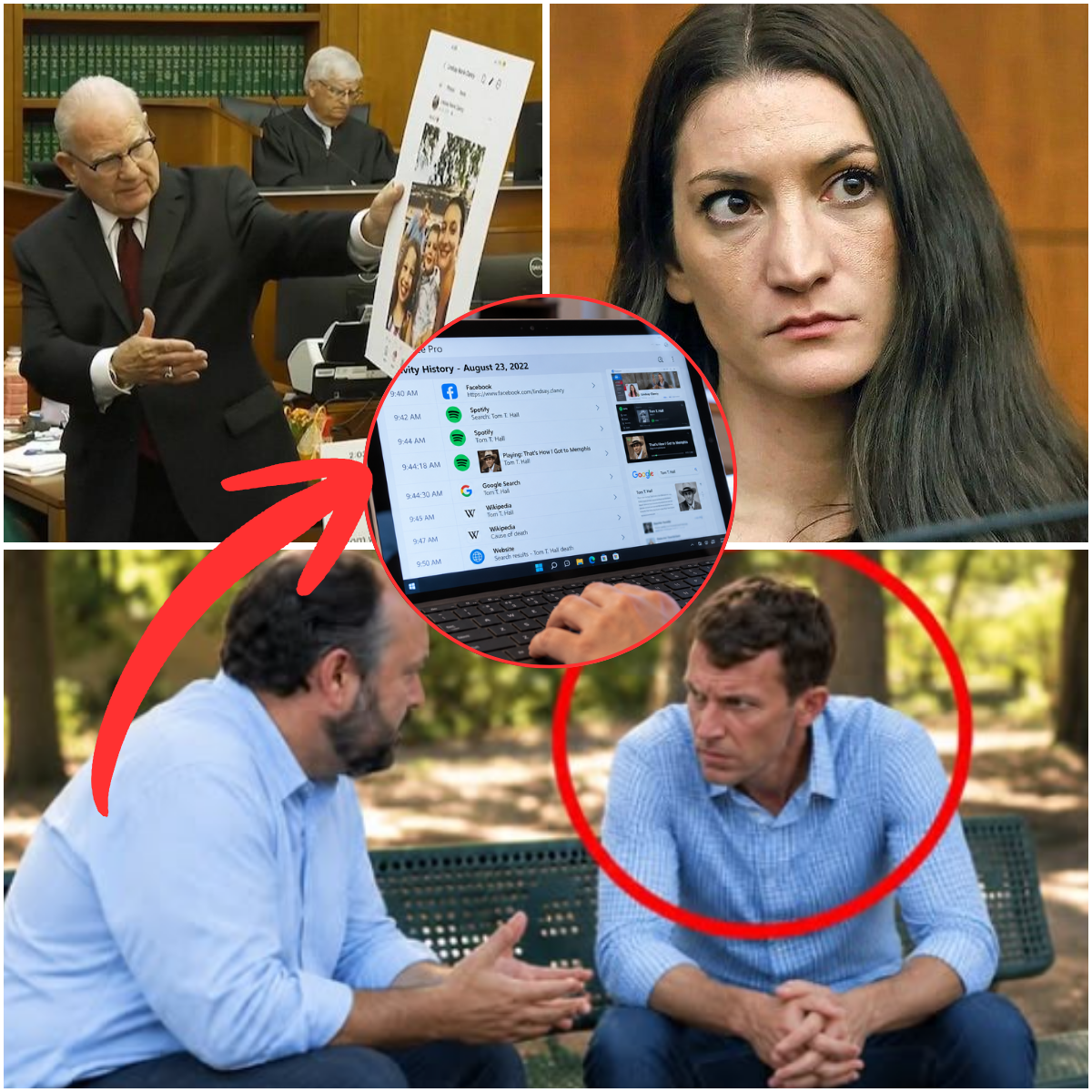
Massachusetts State Police Sergeant Kyle Pavao testified regarding web history found on a Microsoft Surface Pro seized from the Clancy home.
-
The prosecution highlighted an August 23, 2022 browsing sequence linking a Facebook visit, musician Tom T. Hall, and a “Suicide Methods” Wikipedia link.
-
Under cross-examination, Pavao conceded digital forensics could not establish who physically operated the computer during those timestamps.
-
The defense revealed the Chrome browser profile belonged to Patrick Clancy, who plays guitar, and noted a toddler’s pediatrician appointment coincided with the timeline.

On direct examination in Plymouth County Superior Court, the digital trail recovered from the Clancy family’s Microsoft Surface Pro sounded like a definitive window into Lindsay Clancy’s mind.
Massachusetts State Police Sergeant Kyle Pavao, a cybercrime forensic examiner, walked jurors through a tight sequence of web activity logged on the morning of August 23, 2022—five months before the tragedy:
-
9:40 AM: A visit to a Facebook page associated with Lindsay Clancy.
-
9:42 AM – 9:44 AM: A Spotify search and Google search for country musician Tom T. Hall, followed by a visit to his Wikipedia page.
-
9:45 AM: A click on a hyperlink within the “Death” section of Hall’s entry (noting his suicide by gunshot), leading to a Wikipedia page titled “Suicide Methods”.
-
9:48 AM: A click navigating to a page for the Grafton Bridge.
To prosecutors, the search history painted a alarming picture of early premeditation. But when defense attorney Kevin Reddington stood up to cross-examine Sgt. Pavao, a single line of questioning altered the weight of the evidence.
+--------------------------------------------------------------------------+
|                     SURFACE PRO BROWSER TRAIL ANALYSIS                   |
+--------------------------------------------------------------------------+
| TIMELINE          | August 23, 2022 (9:40 AM – 9:48 AM)                  |
| PROSECUTION THEORY| Evidence of premeditated search into self-harm.      |
| FORENSIC LIMITATION| Digital artifacts record device actions, not identity. |
| CROSS-EXAMINATION | Browser profile belonged to Patrick; Pavao unaware    |
|                   | of pediatric appointment or guitar interest.         |
+--------------------------------------------------------------------------+
“You Don’t Know Who Was Sitting There”
Under cross-examination, Sgt. Pavao admitted that while forensic software can record exact millisecond timestamps and URL clicks, it possesses no physical mechanism to identify who is sitting behind the keyboard.
Defense: “You can’t tell this jury that Lindsay Clancy physically pressed those keys, can you?”Sgt. Pavao: “No, I cannot determine who was physically using the device.”
Reddington then drew out key facts that the forensic examiner admitted he had not known when writing his initial report:
-
Default Account: The Chrome browser profile used during that session was signed into Patrick Clancy’s default account, not Lindsay’s.
-
Musical Connection: Patrick Clancy is an avid guitar player who frequently looked up musicians online.
-
Morning Schedule: One of the couple’s toddlers had a pediatrician appointment located just four minutes away from their home around that exact time frame.
+--------------------------------------------------------------------------+
|                       PROSECUTION VS. DEFENSE REASONING                  |
+--------------------------------------------------------------------------+
| PROSECUTION INTERPRETATION       | DEFENSE INTERPRETATION                |
| • Argued the sequence showed     | • Argued the trail was equally        |
|   a deliberate path toward       |   consistent with casually looking up |
|   suicide-related content.       |   a favorite artist while managing   |
|                                  |   morning family appointments.        |
+--------------------------------------------------------------------------+
A Clashing Interpretation of Digital Evidence
The defense pressed Sgt. Pavao to agree that the browser sequence was just as consistent with someone casually reading about a famous musician’s biography as it was with an intentional search for self-harm.
The forensic examiner acknowledged that digital artifacts record data transitions, not human intent, thoughts, or medical symptoms.
This sharp reversal during cross-examination proved to be one of the most compelling exchanges of the trial, illustrating how physical context can fundamentally alter the interpretation of raw computer data.
This video provides the complete sworn court testimony of Massachusetts State Police Sgt. Kyle Pavao, detailing the direct examination and sharp cross-examination regarding the Surface Pro forensic analysis.