
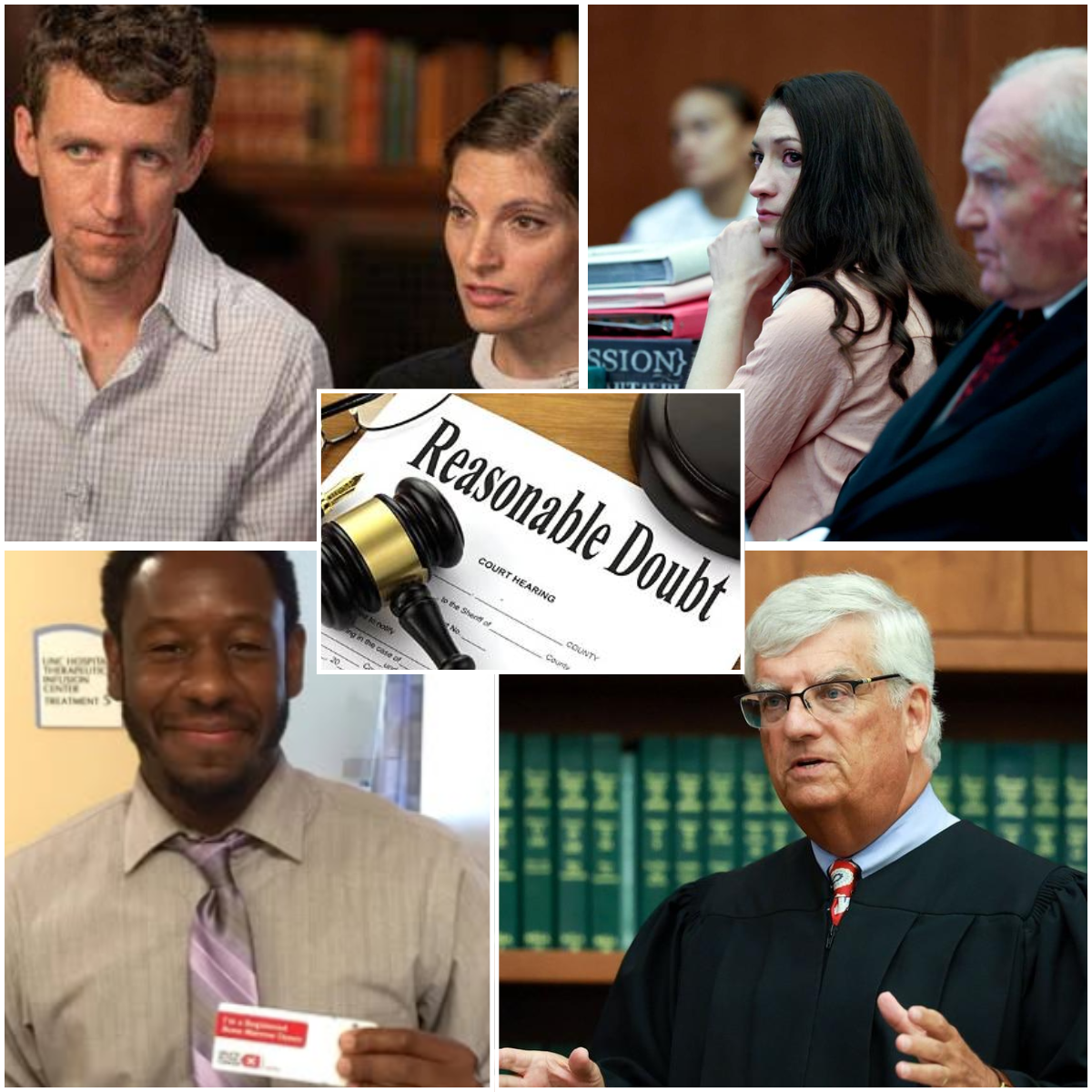
- Michael P. Desronvil stood alone as the single vote in an 11–1 deadlock that forced a mistrial in the high-profile Lindsay Clancy triple-infanticide trial.
-
The holdout juror fiercely insists the evidence proved Clancy knew right from wrong, directly contradicting claims from fellow jurors who said he acknowledged reasonable doubt.
-
Bombshell records uncover Desronvil’s past legal troubles—including a prior domestic violence charge, an active civil restraining order, and ongoing eviction proceedings while serving on the jury.
-
The sensational revelation has shifted intense national scrutiny from his lone vote to the jury selection process itself.
A sensational new controversy has engulfed the trial of Lindsay Clancy after the lone holdout juror who triggered a dramatic mistrial broke his silence—only for his own troubled court history to be thrust into the public spotlight.
Michael P. Desronvil stood completely alone as the single dissenting vote in an 11–1 deadlock, preventing a unanimous verdict in the trial of the former Massachusetts nurse accused of strangling her three young children—Cora, 5, Dawson, 3, and baby Callan, 8 months—during a suspected episode of postpartum psychosis.
While eleven of his fellow jurors were prepared to reach a consensus, Desronvil dug in his heels, insisting he was utterly unconvinced by the defense’s argument of insanity.
Now, as Desronvil steps forward to defend his controversial stance, explosive public records concerning his past have come roaring into the light, raising fierce questions about what was known about the lone holdout before he ever set foot in the jury room.

“I Didn’t Have Any Doubts”
In his first public statements since the mistrial was declared, Desronvil strongly rejected claims made by fellow jury members who alleged he had previously conceded the existence of reasonable doubt during heated deliberations.
Desronvil maintains that the evidence presented by state prosecutors clearly demonstrated that Lindsay Clancy acted with deliberate intent and understood the wrongfulness of her actions when she sent her husband out for takeout before attacking her children.
+--------------------------------------------------------------------------+
|                        THE JURY ROOM BREAKDOWN                           |
+--------------------------------------------------------------------------+
| 11 JURORS  | Favored an acquittal by reason of insanity / reduced        |
|            | responsibility based on psychiatric evidence.                |
+------------+-------------------------------------------------------------+
| 1 HOLDOUT  | Michael P. Desronvil insisted Clancy was criminally         |
|            | responsible, refusing to budge and forcing a mistrial.      |
+--------------------------------------------------------------------------+
“I didn’t have any doubts,” Desronvil asserted, dismissing criticism from fellow panelists. “The evidence showed she knew exactly what she was doing that day. I couldn’t ignore that.”
However, reports from inside the jury room paint a far more chaotic picture, with other jurors claiming Desronvil’s position shifted erratically during deliberations, leaving the panel hopelessly divided after days of intense debate.

Past Legal History Thrust Under the Microscope
As Desronvil’s identity became public following the trial’s abrupt end, court reporters and legal analysts began digging into his background—uncovering a trail of legal proceedings that has shocked observers.
Public documents reveal a series of personal legal battles involving the holdout juror:
-
Prior Domestic Violence Charge: Records document a past domestic violence charge involving Desronvil that was ultimately dismissed and did not result in a conviction.
-
Active Civil Restraining Order: Court filings confirm an active civil restraining order stemming from domestic allegations involving his nephew.
-
Active Eviction Proceedings: Remarkably, Desronvil was facing active eviction proceedings in court during the exact weeks he was sitting on the high-profile jury.
+--------------------------------------------------------------------------+
|                     DESRONVIL'S REVEALED COURT RECORDS                   |
+--------------------------------------------------------------------------+
| DOMESTIC CHARGE    | Past arrest record (dismissed without conviction).  |
| RESTRAINING ORDER  | Active civil order involving family allegations.    |
| HOUSING COURT      | Eviction proceedings active during trial service.   |
+--------------------------------------------------------------------------+
A Jury System Under Fire
The revelation of Desronvil’s background has ignited a fierce debate among legal experts over the jury selection process in high-stakes murder trials.
Defense attorneys and legal commentators are openly questioning how a juror embroiled in active personal court proceedings and harboring a background with domestic violence allegations cleared the voir dire vetting process without being challenged or dismissed.
+--------------------------------------------------------------------------+
|                       THE DUELING CRITICISMS                             |
+--------------------------------------------------------------------------+
| PROSECUTION SIDE                 | DEFENSE & LEGAL ANALYSTS              |
| • Defends the juror's right to   | • Questions juror's impartiality and  |
|   hold a firm, independent view  |   distractions from active court      |
|   based on state evidence.       |   cases during deliberations.         |
+--------------------------------------------------------------------------+
“When a single juror holds up a massive trial, their background is inevitably going to be dissected,” noted a prominent Massachusetts legal observer. “The fact that he was navigating active court cases while sitting on one of the most emotionally charged murder trials in state history is extraordinary.”

The Fallout of an 11–1 Deadlock
With the trial officially ending in a mistrial, prosecutors now face the daunting task of deciding whether to retry Lindsay Clancy in front of a fresh panel of twelve jurors.
For the Clancy family, the deadlock prolongs an agonizing legal nightmare that has already dragged on for over three years.
And for Michael P. Desronvil, his decision to stand alone has ensured that he remains at the absolute epicenter of a fierce national debate—not just for how he voted, but for the shocking personal history that followed him into the courtroom.