
It is the heartbreaking legal battle that has gripped the nation, laying bare the devastating, quiet collapse of a suburban family behind closed doors.
As prosecutors and defense attorneys battle in court over the tragedy that claimed the lives of five-year-old Cora, three-year-old Dawson, and seven-month-old Callan, every piece of testimony from those closest to the family has been scrutinized under a intense spotlight.
While public debate has often focused on medical charts and psychiatric prescriptions, the emotional heart of the trial turned toward the witness stand when Lindsay Clancy’s mother took the oath.
THE COURTROOM GREW DEAD SILENT AS PAULA MUSGROVE DETAILED THE EXACT MOMENT SHE KNEW HER DAUGHTER WAS SLIPPING INTO DEEP DISTRESS.
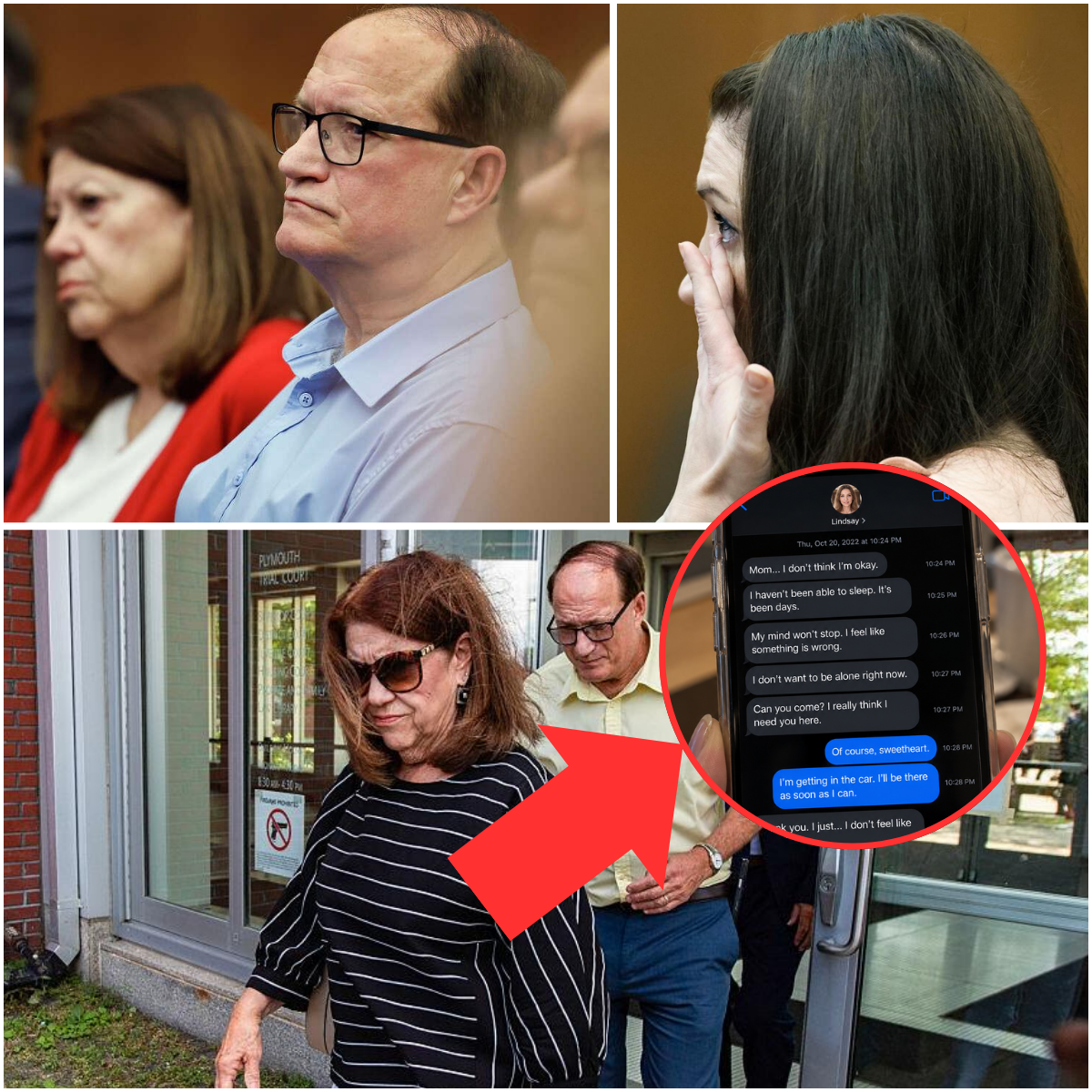
On October 20, 2022—months before the January tragedy—Paula received a text message from Lindsay that immediately set off alarm bells.
Lindsay described crippling, severe insomnia, a harrowing sense that “something was wrong,” and an urgent plea: she desperately did not want to be alone.
Without hesitation, Paula packed a bag and drove straight from her home in Connecticut to the family’s residence in Duxbury, Massachusetts, that very day. What was supposed to be a brief visit turned into a week-long stay—the first of countless overnight trips over the coming months as the family rallied around the struggling mother.

THE TESTIMONY BREAKDOWN
-
The October 20 Message: Lindsay messaged her mother describing severe insomnia, overwhelming anxiety, and a terrifying fear of being left alone.
-
The Immediate Response: Paula Musgrove dropped everything in Connecticut, driving hours to Duxbury to stay with Lindsay for nearly a week.
-
The Escalating Pattern: The October visit marked the beginning of a relentless cycle of family members taking turns staying overnight at the home.
-
The December Revelation: A sit-down conversation involving Lindsay, her mother, and Patrick where an even more alarming admission was made.
The Pattern of Crisis and Care
Paula’s emotional testimony provided jurors with an intimate, raw look at a family desperately trying to build a protective shield around a mother suffering in silence.
During her time on the stand, Paula described how the initial October crisis was not an isolated incident. Over the fall and early winter of 2022, family visits became a vital lifeline.
Parents and relatives rotated stays at the Duxbury home to assist with the three young children, monitor Lindsay’s fragile emotional state, and help manage her worsening sleep deprivation.
“She told me she was terrified of her own mind,” Paula recounted through tears. “We did everything a family could possibly do to keep her safe and surrounded by love.”
Yet, despite the constant presence of family, medical consultations, and prescribed treatments, the darkness lingering inside the household only continued to deepen.
The Alarming December Sit-Down
According to Paula’s sworn accounts, the October message was merely the warning shot. The true peak of terror came during a dark evening in mid-December 2022.
Lindsay sat down in the living room alongside her mother and her husband, Patrick, to have an unprecedented, completely unvarnished conversation about what she was experiencing.
Unlike her earlier complaints of simple anxiety or sleeplessness, Lindsay revealed a horrifying new dimension to her struggle:
-
Intrusive Thoughts: Lindsay admitted she was experiencing intrusive, disturbing mental images that she felt entirely unable to suppress.
-
Emotional Detachment: She confessed to feeling a numbness and distance from her daily life, describing a constant sensation of existing in a fog.
-
A Cry for Intervention: The conversation led directly to accelerated efforts to seek specialized psychiatric evaluation and adjustments to her medical treatment plan.

The Devastating Reality Before the Court
As the high-stakes legal proceedings move forward, Paula Musgrove’s testimony stands as a crucial pillar in the tragic timeline.
For the defense, the testimony underscores a desperate mother battling a severe, documented maternal mental health crisis alongside a supportive family that tried everything to help her. For the prosecution, every detailed timeline entry remains part of the larger picture being weighed by the jury.
Whatever the legal outcome, the haunting memory of that frantic October drive from Connecticut serves as a agonizing reminder of a mother’s love—and the tragic limits of trying to save someone from the darkness within.