
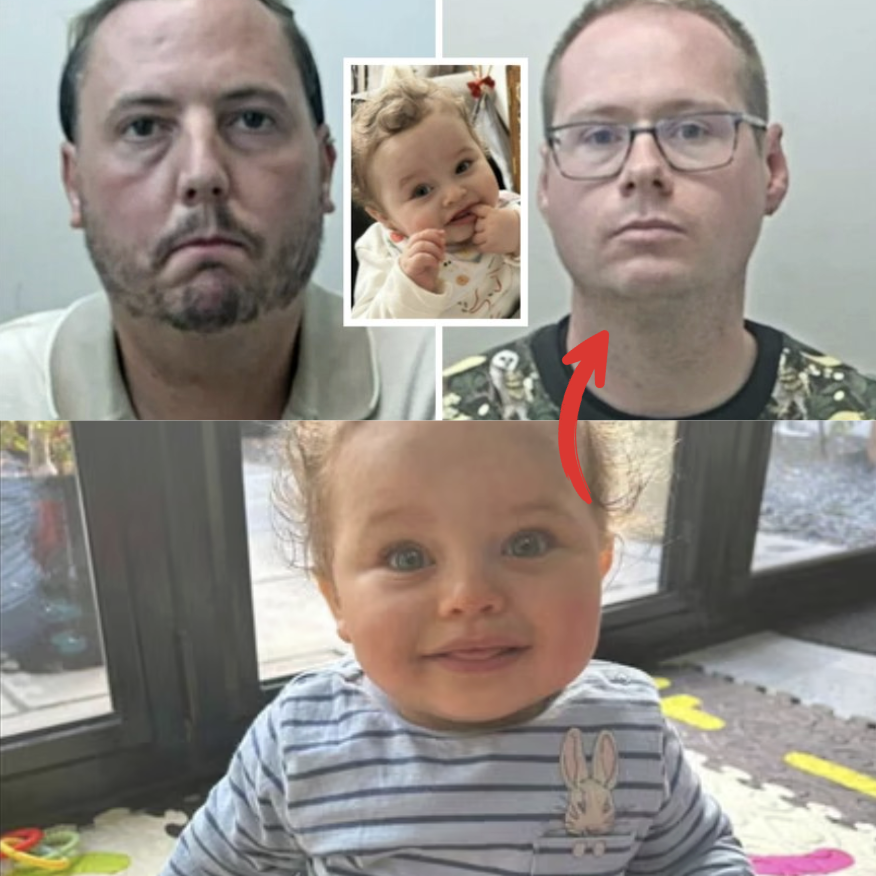
RIVERDALE — Newly unsealed court documents have added a troubling new dimension to the investigation surrounding the death of two-year-old Preston Hale, revealing evidence that prosecutors say points to repeated missed opportunities to seek emergency medical care before the child suffered a fatal collapse.
The documents, released following a pretrial hearing, describe a timeline in which investigators allege the child’s condition deteriorated over several hours while visible signs of severe injury became increasingly apparent. According to prosecutors, the primary caregiver failed to contact emergency services despite multiple indications that the toddler required immediate medical attention.
The newly disclosed records include digital evidence recovered during a forensic examination of a mobile phone seized during the investigation. Investigators say several deleted conversations were successfully restored using specialized software. While authorities have not released the complete contents of the messages, prosecutors claim they demonstrate the caregiver understood the seriousness of the child’s condition before the collapse occurred.
Defense attorneys dispute that interpretation, arguing the messages are being taken out of context and insisting their client did not appreciate the extent of the medical emergency. They maintain that the prosecution’s conclusions will ultimately be tested through expert testimony and cross-examination during trial.
Medical specialists who examined the child documented injuries consistent with repeated blunt-force trauma, according to the court filings. Prosecutors argue the injuries would have produced symptoms that a reasonable adult could not have overlooked, including prolonged distress, reduced responsiveness, and difficulty moving.
Investigators have also reconstructed the final hours before emergency responders arrived, relying on surveillance footage, mobile phone data, and witness interviews. The prosecution alleges these records establish a sequence of events that conflicts with the caregiver’s initial account of what occurred inside the home.
Outside the courthouse, members of the local community gathered to remember the young victim, leaving flowers and stuffed animals near a temporary memorial. Child welfare advocates said the case highlights the importance of recognizing warning signs of serious injury and seeking immediate medical care whenever a child appears to be in distress.
The trial is expected to continue with testimony from forensic pathologists, digital evidence specialists, and emergency medical personnel. Jurors will ultimately determine whether the evidence proves criminal responsibility beyond a reasonable doubt.
As proceedings move forward, the court has reminded the public that all allegations presented by prosecutors remain subject to challenge and that the defendant is presumed innocent unless and until proven guilty.